Table of Contents
Conclusion
Introduction
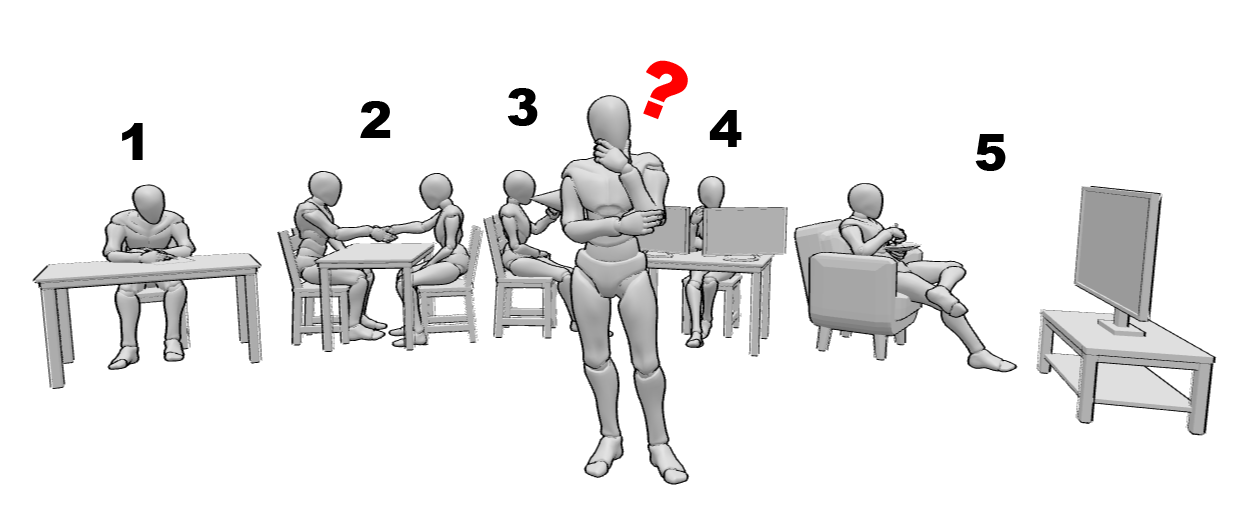
What does it mean when a film is “In production”? Isn’t a film always either “In Production” or ready for release? Well… short answer, yes and no. Films go through five different stages of production, starting with development, through pre-production, production, and post-production into distribution. It can be a little confusing, so this article will detail each stage specifically.
Development
Development is the earliest stage of production. This is where the creator of the film first conceptualizes the idea and either writes the script himself or hires someone to write the script. For instance, the film The Greatest Showman began development in 2009 when Hugh Jackman first conceptualized the idea. Development is also when a production company and/or producer will pick up a film, sometimes a distribution company will also pick it up.
Pre-Production
Pre-Production starts after a production company has green-lit a project. This include script refinement, as well as hiring actors and crew for the project, including a director, and executive producers. This is usually the shortest or second-shortest part of the process.
Production
This is the bulk of overall Production. In live-action, this is when scenes are shot, and in animation, this is where the voice-lines are recorded and the scenes are animated. This is where the Director is most involved, however, they are also typically involved in post-production and sometimes pre-production as well. This is also typically when a film will start being advertised to the mass audience.
Post-Production
As a director, I love the term “we’ll fix it in post.” As an editor, that phrase is a nightmare. Post-production is where the Editor, VFX (Visual Effect), and SFX (Sound Effects) are added. VFX and SFX are large portions, each with sub-secctions. For instance VFX include special effects, some practical effects, and reshooting of live-action scenes. SFX includes foley, like gunshots, crackling fire, etc; ADR (automated dialogue replacement) which is used to enhance the dialogue of both live-action and animated films. This can sometimes be the longest portion of production, especially for live-action films.
Distribution
Despite the fact that a film is finished and fully produced, Distribution is just as important as the rest of the process. Sometimes, Distribution companies do not join the picture until the beginning of Distribution, however this part of the process is impossible without them. (In a self-distribution situation, the “self” is the distribution company.) Oftentimes, the production company will also be the distributer, however not always. For instance, Star Wars was Produced by LucasFilm, but was distributed by 20th Century Fox. Distribution is when the trailers (rather than teasers) are released to create hype for the film, and theatrical release films are released in theaters, Direct-to-Video are distributed to Video stores and/or streaming services. While some might think this is the shortest part of production, it is, in fact, the longest, as distribution only ends in very limited circumstances, as even 100-year-old movies are still being distributed when you can find them places like Amazon Prime Video, Netflix, etc.
Conclusion
So, that is the five stages of production for films. Television shows follow a similar, but much more complicated production schedule, though, so it isn’t exactly 1-1. If you have any questions, please feel free to comment down below, and I’ll do my best to answer them!
